



What You’ll Learn in This Episode:
In this episode of the Lean Solutions Podcast, Andy Olrich and Catherine McDonald break down one of the biggest reasons Lean fails in organizations, and how it has nothing to do with the tools.
Most companies try to “sell Lean” as a program or initiative, which immediately creates resistance. Employees see it as something being done to them instead of for them. But the real key to success is much simpler: stop selling Lean and start solving real problems that people face every day.
The conversation dives into how leadership behaviors shape culture, why small wins matter more than big projects, and how building trust through employee involvement can transform an organization. You’ll also learn why traditional reward systems often backfire, and how to create a continuous improvement system that actually sticks.
If your Lean efforts feel stuck—or your team isn’t buying in—this episode will completely change how you approach transformation.
Key Takeaways:
1. Stop selling Lean—start solving real problems
2. Leadership behavior—not tools—determines success
3. Small wins build trust faster than big initiatives
4. Lean must be a system, not an event
Links:
Catherine McDonald 00:00
I really do think it starts with leaders. I think the whole thing starts we don’t need to sell lean if leaders simply start behaving in a way that supports everything we have just said, where they create supportive systems, they make time for people. They focus on being proactive instead of reactive. When leaders lead the way and they change their behaviors to support all of that, then we don’t need to sell lean and everybody starts working well together.
Andy Olrich 00:42
You day, and welcome to this episode of the lean solutions Podcast. I’m one of your hosts, Andy Ulrich, and I’m joined today by the fantastic Catherine McDonald. Catherine mate, how are you?
Catherine McDonald 00:53
I’m good. Andy Good. How are you?
Andy Olrich 00:56
I’m tickety boo. I’m really excited to be here, and it’s just you and I today. So we have a mixture of guests or some of our CO hosts getting on here and having a bit of a chat or a yarn, as we’d say in Australia. So yeah, things have been going well. Got a really cool topic we’re going to just touch on today, and this will resonate, we believe, with not only the practitioners or the independent consultants that are out there, or the people in the organizations who are charged with leading a lean initiative or transformation, but also for those people out there that may have been working with lean or have seen it somewhere else, and they’re trying to get some excitement within their organization to maybe even just look at it a bit more, let alone give it a go. So we’ve landed on the title today is stop selling lean and start solving problems. So Catherine, you do a lot of awesome work in this space, and you see this challenge we’re talking earlier. You see this a lot as do I What is this Lean thing? And what are you trying to sell me here? And isn’t that just something I can buy out of the box. Yeah, what are you seeing and how is this topic resonating with you?
Catherine McDonald 02:05
Oh, it has always resonated. I still haven’t. I wouldn’t think I haven’t found a real solution to this, to be honest, because it starts with the word lean itself. Not going to get into all of that. I could spend half an hour on that alone. But you know, when we see people coming into organizations. We see senior leaders asking people to come in into organizations, and they’re using this word lean. Let’s be lean. Let’s do Lean. And it’s like you said earlier, it sounds like we are bringing in this new initiative, or we’re starting this program. We’re selling a product. And of course, we know, and so many other people know out there that we’re not that’s not what it’s about, but that’s how it sounds. So the language itself and how it’s sold immediately gets people’s hackles up. So of course, when people hear it, all they hear is change. Change being done. To me, they want this different to be done differently. They want us to do something differently. And I don’t think any kind of conversation happens around what Lean really is, until it’s really too late and people already have their backs up. So that’s, I mean, that’s the first thing. And then, of course, as I said, lean isn’t a program. It’s a way of working and interacting every single day through, you know, Leader Standard Work and management systems and looking at things to a different lens. But of course, as I said, I think all that is just not understood. What do you think? Yeah, there’s a bit
Andy Olrich 03:29
of mystery there. And now I’ve led a Lean program. So all of you out there who are going don’t tell me, it’s not program. I’m leading a Lean program or or a Lean Six Sigma. You know, when we’re using that, it’s, it’s more about again, as I said, it’s kind of a thing off to the side. It’s a separate thing. What we’re trying to unpack here is that program that we’re running is utilizing the cultural benefits of lean, the tools of Lean, the ways of working, the leadership behaviors. Yeah, there’s still a bit of mystery, especially clients that I speak to that, you know, they immediately fall back still in some pockets around, well, we’re not in manufacturing, or we’re not Toyota, there’s that connotation. So again, we’re trying to, we’re trying to give you some practical insights and reflections and some tips on how we handle those things. And we’d love to hear what you’re doing in the comments as well, if you can jump on it and let us know. So, yeah, how do we turn this from a thing into a way? And so it’s really important. I guess we’ll kick in here around. Why? Why does this have a you said about the heckles, right? I generally find that that’s people have had it done to them. You know, when you said we’re going to do Lean like it’s usually to them, not with them. Where does this fit in? Like we we’re doing Agile over here, are we? And then we’re doing change management over here, and then you have this guy’s bringing a lean drum in, like this is just so noisy, whereas it does actually, we can utilize all of those things together in that ecosystem. It’s more of a systems approach, if we can lift up. So I think we’ll dive in. Into, you know, effective ways of getting people to understand help may be able to help them. And the key one around that is making it about their pain, right? What’s kicking their butt right now, not the initiative or the directive I’ve been given to come in and lead. I’ve found that instead of saying, hey, you need lean, as opposed to the conversation of, yeah, what’s the top three things keeping you awake at night and having that, you know, asking those better questions, what about you? Catherine, like, what’s sort of your leading point, if you feel those heckles are up or will immediately be up once you say those words, yeah, yeah.
Catherine McDonald 05:35
Okay, so I suppose I’ll go maybe back a little step before we talk about their pain and their frustrations. There is a little pre step to that where I wouldn’t say, I try and explain lean, because I still see people’s eyes glaze over. You know, when we talk about the word lean, what it’s about, but I do try and explain that. Look, the organization is trying to do something different here. I’m trying to help the organization to do things differently, but that means involving you. That means actually, you know, this is, this is about showing you we value you, because we want you to be involved in understanding what’s not working well, and we want to help fix that with you, and we want to do that so that you and the customers and the organization you will work more effectively. Will, you know, have less problems, will enjoy work more whatever it is. So I do think the first point, before we even talk about pain, is talking about why we’re here, why we’re involving them, and that is because we value you and we respect you. Imagine we were to just go in with those words, instead of saying, Hey, I’m here to do Lean. Hey, I’m here because the organization values you and respect you, and I value and respect what you have to say. I mean, if you start with that, the hackles go down, right? So after that, then it leads into, for me, it leads into, okay, what is bothering you? What are the pain points? What is the data telling us? What have we been constantly struggling with that we can’t resolve? So, yeah, I think. And it has to be about their pain, but it also has to be about collaboration to understand whose pain is where and where do we start, because everybody’s pain will be different. So I think the collaboration there is really important too. Yeah, the why, where
Andy Olrich 07:14
is this coming from? And sometimes, as you said, in organizations, we need to ask them to find out or get their take on it. And yeah, you get 100 different flavors sometimes. Or hey, that the data or the performance or our customers are telling us we need to do better. And here’s some things that you know. The what’s in it for you is maybe, if we lose these customers, we could all be in a bit of strife, right? But what we yeah, we need to do something different, and here is a way that we believe and a method that is really about you and respecting you and and as I’ve said, sometimes don’t freak out, but it’s called lean methodology. You know, we’ve got that there, and it’s got and the benefits of right? But yeah, if that what’s in it. For me, this is so key to change management is, well, hang on, before I even want to walk in that shop and look to even buy anything, what do you kind of give me a look at what you’re selling, and am I even interested at first glance? So that’s, yeah, really connecting with that person and why that’s important and how it could help them. I think that’s really important. And then, as you said, you dive into then start talking about the things that maybe we can get them to kind of connect it to. So yeah, because I’ve, I’ve had KPIs around, we’ll do this many training initiatives, and we’ll do this many a threes in each area, and we’ll stand up all these things. But again, the workforce is like, Well, that’s good mate, but that’s what I do for a job. How we connected with the pain. And then how do we quickly, or more effectively show that there’s parts of because, you know, as we know, you don’t apply as I had someone say to me there a few weeks ago, what even is lean these days, like, I mean, it’s just kind of lots of things now, but yeah, we don’t apply it all at once. Okay, depending on where we’re at, we need to go in at certain levels again, just to see where they might already be doing it and they just
Catherine McDonald 09:05
don’t know it. Your point on identifying the pain points, the small frustrations, the small challenges, if we even just focus on that as as a big part of a lean organization, because that’s what it is, you know, helping each other out to identify these things that are not working well, and taking away the little frustrations. And also, combined with that, then you’re working on preventing things from getting bigger, right? So that it’s a kind of a whole problem solving, problem prevention model right? Now, one of the things I’ve seen, and a lot of leaders would kind of laugh at me when I say, you know, put up a board, because, you know, in Lean, we kind of go off boards. That’s not the solution. And, of course, the board isn’t the solution. The idea is to get ideas from the staff team about what’s bothering them, but you need to collect them. They need to be recorded if you’re going to deal with them and follow them up properly and give feedback on them, right? So create these feedback loops. But the problem that a lot of managers have is when they put up these boards and they ask people for what’s bothering you. You What’s the problem? Instead of looking at the process problems which leaders and managers actually want to get to because they’re trying to increase efficiency in, you know, overall here, people will put up things like the gloves are too small for me, or the bins aren’t emptied, or the canteen is left dirty. And then you’ve, I’ve had managers and leaders come back to me and say, Why are we, why are we dealing with this? All this stuff is coming up now that we’ve put up this board and asked for ideas. And my response is always, this is fantastic. You need to listen. This is what’s frustrating people. If we listen to people, and we get these and a lot of them are quick wins, if we get these little things sorted, that will help us build trust, it will help people to understand you do actually care about them and respect them, because that’s one half of lean, right? You respect them, and they’ll listen and respect you, and we’ll all work together, and we’ll get to the bigger stuff. But sometimes that idea of, you know, understanding what the little frustrations are, and working together to, I suppose, remove them, I think, is a very good entry into being a lean organization. Have you seen that?
Andy Olrich 11:03
Yeah, yeah. That’s the the danger and around if you put something up, good old suggestion box, hey, you know, we’re getting had a lot of complaints that we’re going to put this box here or this board we’re here. Do you tell us everything that’s on your mind, or what you think we should do differently? They get smashed or with lots and lots and lots of things they hadn’t set the expectation to say, Well, look, once a week we’ll review it. It’s there’s no sort of structure or governance or expectation around how soon you’ll get back to them, etc. Some people see it as a they should be getting back to me today. Others are like, Well, I’m not even going to put it in because we did that six months ago and nothing happened. So I think, yeah, but it’s your canary in the coal mine when you start getting those little things, like, where, where we’re having quality issues, and we’ve asked for their ideas on why we’re having these quality rejects, or our customers are coming back, and you’re talking to me about gloves, what? That’s, what? That’s a kind of that below the line thinking of like, or people are just, yeah, they don’t take it seriously. It’s being able to have that mindset again, that lean mindset, or the curiosity to go, Okay, well, who put that up there and why? Like just checking in with them and say, well, about the gloves? Okay, obviously safety or whatever, it’s so important. But how do we see that connection to quality team? There might be something underneath it that’s, you know, driving some other behavior or something that needs to happen, which is they believe is impacting the quality or the consistency of a product. So really, I would say my hot tips are, if you’re going to put up a suggestion box or an ideas board, again, it’s got to be clear as to where this fits in, and the expectation around this is, hopefully around a particular initiative or challenge, not just a, as I say, world hunger type thing. Where does this fit in? Why we even asking? And how are we going to make sure that we listen to you and get back to you, even if it’s a, you know what? We’re not going to move on that one. So it gives you those insights, and it’s funny what they come up with, in some ways, because I was in the office and I was like, Oh, they’re going to definitely be talking about that forklift, or they’re going to be going off about how the steel gets dropped in the yard over there. Weird stuff, is what we said. What’s the weird stuff this week? And it
Catherine McDonald 13:15
was, Andy, isn’t that where we get stuck? That’s where organizations get stuck with, they bring in somebody to, you know, help with lean, and they just can’t get past and the teams can’t get past these issues that they’re seeing. I think that’s where it just fails at the first point, though, you know,
Andy Olrich 13:33
yes, again, it’s seen as a thing. Or one of the best stories I’ve had someone say to me, when I was new to the organization, standing up a program was, you seem like a nice guy, but the circus is back in town, and I’ve told this story a bit, but I was, What do you mean? And he said, Well, I’ve been here 25 years, and every few years we kind of have something like this come in and there’s someone like you, and you seem like a nice, positive guy, but I see the signs go up, we put up some temporary fences, he said. And I thought, you know, when the circus comes to town, there’s all this noise and flash, but you know, it’s only there for a short amount of time, and it goes so I think, and I and he said, How are you putting in a permanent car park? How are you going to put up a permanent fence this time? And this isn’t just flash, and let’s just wait it out, guys, because this guy that’s only going to last a little while, and I think that’s strategic. Alignment, or how it is, you know, we’re serious. We are making sure that not only are we resourcing this well, but it’s different. The structure and systems is, hey, you and the team, you are actually going to be an ideas champion, or you’re going to be it. We’ve got feedback loops from the floor, Community of Practice type thing. When we started doing things like that, he’s like, Oh, we haven’t done this before. And then I was connecting it straight to the corporate scorecard or testing leaders to say, show me where this fits in for that team up there, because otherwise they’re just back to work, mate. And how can I get them excited or interested and connected to their pain? Because they don’t think you listen? Into them.
Catherine McDonald 15:00
Yeah, now, to your point, the whole idea of continuous is missing in so many attempts. And actually what is done, there’s usually nothing wrong with it, but because it’s not continuous, things get brought up, things get dropped, you know, and people get sick of it. So this the whole, I think the system has to be in place. The improvements have to be small so that we can build on them, and it’s not too hard to keep doing this. So that’s why we talk about these little, maybe small wins to start with, but that we build on, and that helps with all those things we talked about, build trust and psychological safety and all of those things that are important. But I do think that that that continuous part where we plan to not just see this as a program, but see this as a management system. You know, we have our huddles. We our huddles are now forever. We have our weekly team meetings. They’re forever. You know, this is the way we’re going to put structure on the ideas and the feedback, and there’s a loop, and it’s, you know, forever until we review it and we improve it. But with this is staying, and it becomes part of Leader Standard Work, of what managers do every day and every week. Then, so I think that’s the bit that actually gets forgotten when it comes to lean. So it’s sold as this way for, you know, cut costs, increase efficiency. But it’s not sold as something, you know, a system that leaders have to create and follow. And I think maybe that’s the problem.
Andy Olrich 16:30
Yeah, it develops their people, the capability. It’s a real cultural transformation, which, again, anyone who’s a decent change practitioner, as soon as I hear those sorts of things like, well, where’s your change management in this? Okay? It can’t be about the tools and just the dollars, right? Because whether it’s tech or this sort of thing and, and I think, yeah, that, that piece there, that you said about, when we put these boards up, it’s forever, and those sort of interactions, we’re going to continue to do this, or we’re going to restart doing this. The amount of places I go into where they’ve stood up daily visual management, certain areas, rooms, even where they’ve got boards and things whilst there was a particular person or leader that was running that most of the time or was driving their team to keep doing it. Soon as they go on, it becomes wallpaper. I go in the scene three, four years out of date, especially with covid, we kind of did it now, and I was still, we’re a couple of years post all the lockdowns, but I still see it now. And I think, you know, from a from an independent consultant, which is what I do now, there’s a lot of people who already know what they need to do in a lot of ways, the what, geez, we’re really trying to get them engaged here. I pretty much think I’ve got it worked out. But can you come in a it’s, it can’t be me telling them anymore, because I’m just blue in the face. I need someone independent. But also, what are you seeing out there? I mean, we have this great, lean community out there with the podcast, and we can leverage that. But it’s, yeah, the what’s still there? Or they’ve done it before. It’s more about the how the, you know, the world’s moved on. We’re integrating technology, or we changed our strategic approach and things like, how can we just keep evolving our lean methodologies and ways of working to still deliver the customer value? And I think that’s the other part. Is lean isn’t about starting again. It can be about just tweaking what you’re doing and not look so that that whole thing around short term urgency, long term consistency always try and lead with that. It’s it’s about the small, simple. Now, why is two second lean so popular? Well, it’s that cultural piece. We can do these things, as you said repeatedly every day, small things, and then look back and wow, is that. It doesn’t have to be this full six month project or green belts and black belts. It’s a mix, right? And that’s what I think, celebrating the small wins without putting, as we say, too much mayonnaise on it. Sometimes people get agitated that you’re you know, if you celebrate too much, sometimes certain people, the introverts, kind of get a bit or they just don’t feel comfortable. That’s a big part of it, too. Is the reward and recognition. How we do that for different people and different teams needs to be a consideration as well. Because Chris wants a statue at the front gate, okay? Because he saved $10,000 and then you’ve got Sheridan, who saved $2 million and she just would like someone to say, thank you, right? So, yeah, that that’s small wins. What’s some of the, I guess quickly, what’s what some of the awful ways you’ve seen celebrations kind of drive the wrong behaviors?
Catherine McDonald 19:35
Oh, I suppose one of the things people complain about to me, because I do the coaching side, the one to one coaching and the team coaching, as well as, let’s say, lean mentoring with teams. So people are kind of coming to me telling me their thoughts and feelings on what’s happening and when they’re not inside the big group. So as you mentioned, introverts especially, don’t always speak up in front of a group to say what they’re thinking or feeling. They keep it inside, but then they might come into. Coaching, and they would tell me, which is great, because it’s really important to know how people are thinking and feeling when you’re working with a group and you’re trying to do all of this. So sometimes, unfortunately, and I, you know, I work with so many great managers, but people complain about their managers a lot. They complain that maybe their managers are the ones, and this might be a system thing as well. Their managers are the ones who get to go and give the presentation or give the feedback, and the managers are the ones who get the credit. And nobody comes back to them and tells them you know about the benefits that their work and the impact of their work. And they can get really upset about this, and sometimes they feel a little bit used, a little bit invisible. And again, not because the leader is a bad person, because of the way the system works with your kind of recording and all of that. So that definitely doesn’t do anybody any good, and I do. And even if managers are really good to their teams, that system still fails the people. So I think that’s one to watch out for. Definitely.
Andy Olrich 21:00
I see that the, you know, there’s someone who looks to get rewarded when the people in the in the in the back or at that next level just kind of feel like, well, you’re taking all the credit. That’s definitely or the other thing is, is you’ve got managers talking about the great, lean or other transformational work their teams doing, and they don’t have any formal experience or training in it themselves. They’re kind of, they’re being, you know, they’re reporting on things that maybe they don’t truly understand. And just a simple comment in a in a senior leadership meeting, I’ve heard someone say, Well, talk to Andy, because I don’t really know much about that stuff. And straight away, you see other people in the room kind of just go, Well, are we doing this or not? Like, what is it? Is it? I thought we were all going to step in and I thought you knew what you what this was. So there’s that whole piece of leadership needs to calibrate itself, to say, well, we’re going to expect you to do it this way, but, oh no, you do the training for that, for those frontline teams. But you know, we’re fine. We’re or I don’t have time. It’s like, no, there needs to be that cascading capability and knowledge and skill, not so much in the technical but where it all fits in, just because otherwise it’s, it’s can build an us and them type thing. The one thing with the reward and recognition I’ve seen go sideways is we stand up a formal reward and recognition event and we have, okay, everyone put up or nominate, or we’ll draw from the system all the the improvements that have been done. And at the end of the year, we’re going to, you know, we’ll have a winner. I’ve been involved in a in a initiative where I was asked on how we could do this. I said, well, we need to have some sort of transparent and standard way of measuring and evaluating the scores, feedback, etc, you know, so it’s seen as fair and transparent. We’re not playing favorites or the captain’s pick, because that’s a culture killer. Sometimes we got right to the point where we had leadership, obviously saw and they were able to, had to align it to strategy. And you know, this is the true benefits, or our customers, even though that one save $10,000 our customers over here, actually, we’ve got three great Google reviews. And that’s that is really what we care about the most. This year, I’ve had the winner come in, it’s all there, and then I’ve had a manager sit there and go, No, I’m picking that one. And it was like halfway in the scores. It was nowhere near the top. And I was like, Well, why? Why that one? Oh, I just, I just like that one better. It’s like, from their perspective. So that was one thing that, again, I couldn’t overrule that. Like they ended up accepting that. And you just see the eyes glaze over in the room when that one came up. And it’s like, oh, course, he won easy’s mate. And then the other one was, is we had a People’s Choice Award, and the teams would vote up whatever management says, This is our vote. We had that, we had that nailed down, and they killed it the day before. I had the certificate printed and everything. And the manager said, I don’t want to do that because, yeah, I just don’t think that that’s really what they’re thinking. And everyone came to me and said, What happened to ours? Said they just, yeah, sorry, mate. And they’re like, well, here we go again. Sorry, mate, I’m out. So be careful. People, like, if you’re going to reward, make sure that you’re open, transparent about it, and people understand why that’s happened. Yeah.
Catherine McDonald 24:17
I mean, all of this as you’re talking, I mean,
Catherine McDonald 24:22
it just makes me think about how we, I suppose the word, the words are shouldn’t and don’t sell lean to begin with, because if we do make it sound like this program that we’re going to do and get rewards for, I mean, it doesn’t work anyway, by the sounds of you Know, your examples and my examples, but also is the is the reward in all of this, the actual genuine caring about people and involvement of people in improving their own situation, you know, respecting them enough to give them time to step out of their day to day work and involve them in identity. Identifying, you know, business development opportunities is that the reward in itself, making people feel like they are valued. And if we were to continue that, start that, and continue that, do we need the big showy days and rewards and certificates at all? Because I actually don’t think so. I think a sign of a healthy organization is where we don’t do any of that, and where you go and talk to people and they tell you that they don’t need it because they feel genuinely respected and cared for and involved and valued.
Andy Olrich 25:35
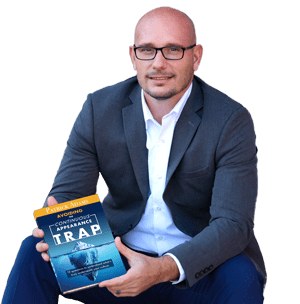
Yeah, and that’s, I think, rolling right back to when we’re introducing this or calling out things that are already there that we say is really in the in the essence of lean, like the Toyota way, okay? Fantastic book, Jeff Leica. It talks about, you know, at the front of that, the front end of those sorts of descriptions of this thing is, yeah, it’s about respect for people. And we’re very clear up front is to say, this is about building your capability. We respect you. We see, we hear. It’s a way of working, a you want to stay around Toyota we we develop people who also build cars, right? It’s really about me. And then you hear terms like, profit is excrement if you do it well, it’s like, yeah, don’t, don’t worry if you people are engaged, and you’ve got this flow and this, this, this system that’s working, the money will take care of itself, and your customers, you’ll have more customers, all those sorts of things. I think we sell it at the front to say, what are we going to do? We’ve got to reduce our headcount and save maintenance money. All right, well, let’s bring in Lean. And that’s not what it’s about. And that’s where I say to people. Now we get distracted by the tools. Unfortunately. Hey, leaders. You know senior leaders, especially if you’re going to do it yourself or charge someone with leading a program, please read books like the Toyota way or the continuous appearance trap, because it lifts you out of whatever work you’re doing. It’s about culture, and it’s about change management being done well with people. That’s the hot tip, and that’s why we keep saying and this topic is about stop selling the thing, because when you say the word lean, some people think it’s less employees are needed, and in a way, that’s right, but not they’re gone. How, before we step into this, do I really even know what I’m asking my people to do or bring in and change so that’s the five minute elevator pitch around. We’re going to introduce lean ways of working and methods and tools. Here’s what it’s really about and how it can help us, and you’ll get these benefits as well, which I can throw a million case studies at, how they’ve done it and it’s worked. Or it’s all about the tools. It was all about the dollar and flash circuses in town or they went backwards. So yeah, we could talk about that all night. And yeah,
Catherine McDonald 27:49
and one last point on that, I really do think it starts with leaders. I think the whole thing starts we don’t need to sell lean if leaders simply start behaving in a way that supports everything we have just said, where they create supportive systems, they make time for people, they focus on being proactive instead of reactive. When leaders lead the way and they change their behaviors to support all of that, then we don’t need to sell lean. Everybody else just starts, I suppose, playing ball, and everybody starts working well together. So the leadership part is absolutely crucial here. I think, yeah, it
Andy Olrich 28:30
takes off, you know, and sometimes you’ve got to hold it back. It’s like walking the dog. You don’t want to be getting dragged down the road by the dog, which, no disrespect, but that could be your team going hot. This team over here is they’ve got it. They’re doing everything, but this team back here is really struggling. Still, we need to help them so, and you don’t want to be sort of having to push the dog down the street yourself, right? It’s what’s that good tension that we can build? And you won’t know till you get in a try, but it’s really about, yeah, and for all of those people out there, is going that all sounds warm and fuzzy, but where’s the dollars? Where’s the safety, where’s the quality, where’s all that? Well, yeah, as I said, we can point you to many, many examples of why this is truly a way to not only survive but thrive. All those things come with it, and it’s led by your people. So leaders, you’re actually taking the shackles off yourself a bit because you don’t have to do all the thinking, and really is that your job and do all the doing. So results speak for themselves. And there’s, there’s many things that we could talk about in that space, so I guess we better wrap up. Yeah, it’s been some good conversation. Maybe I’ll rant it a little bit there, apologies, but that you can see the passion that comes out from living through things like this, right? Or hearing people,
Catherine McDonald 29:47
they put great context on what we’re talking about. Andy, so, no, it’s great, yeah.
Andy Olrich 29:52
So we started the year with the strategy, like setting the goals, and then how do we get started? Okay, this is, this is a bit of a wrap around, you know? Now. We’re up in flight. If people are seeing lean as that thing and a bit just purely a product and a toolbox, we’re just kind of helping you level and go, oh yeah, hang on. Well, we the people part that respect thing is that still in our strategy and our goals and the things we’ve started, or how can we measure the cultural things and the behaviors now to make sure that we haven’t immediately started to veer off. Yeah, and it’s all about
Catherine McDonald 30:23
especially the leadership behaviors. We get leaders doing things a little bit differently, we start getting people doing things a little bit differently, and things will start working. Yeah, excellent. Okay, all right, mate.
Andy Olrich 30:35
Well, great to catch up, as always. Audience, please. There’ll be things that we’ve said you probably don’t agree with, or some things you really do. We’d love to hear more. Love to hear more about it. And if there’s something that you really want to talk about, or be a guest, etc, let us know in the comments. Hit subscribe all those things. And Catherine, any any final reflections from you?
Catherine McDonald 30:54
No, that’s loads. That’s loads. There’s loads of little nuggets in there. Andy, from for yourself. So that’s loads, I think, yeah. And thanks a million to everybody who continues to watch and listen to the show. You’re all great and thank you.
Andy Olrich 31:09
Cheers. All right, see you next time.
0 Comments