A few years ago, I borrowed my father-in-laws old truck to tow a camper for a family camping adventure. When I went to go pick up the old truck from him, I took my, then, 10 year old son with me. He was excited to ride in grandpa’s old truck! It was a hot summer day and when we climbed into the truck and shut the doors, my son immediately asked for me to turn on the air-conditioning. I had to explain to him that when this truck was manufactured, they didn’t put air-conditioning in it. He was flabbergasted!
“What do you mean they didn’t put air-conditioning in it? This is terrible!”
I told him to roll down the window and enjoy the wind in his face. After a few minutes, I could hear him getting frustrated.
“What’s wrong?” I asked.
“I can’t find the button to roll it down.” He answered.
I then had to introduce him to the old manual style window crank! Ha! What a joy to see the look on his face as I explained the way we rolled windows down in the past!
Sure, its a convenience we have all come to take for granted. Today, there are only 5 vehicles that have manual windows and door locks. The rest consider electric windows and door locks part of the minimal tech equipment in a vehicle.

Back in the seventies, General Motors introduced the latest enhancement to one of their Buicks: Introducing cruise control with the “resume” feature! In the seventies, this improvement, over the previous cruise control, was quite the accomplishment. Since then, more advancements now detect if a car is in front of you and the vehicle automatically slows down to match the speed of the vehicle in front of you.
Now, imagine if innovation just stopped with the “resume” feature. What if General Motors accepted their latest improvement to cruise control to be the best it can be! What if all vehicle manufacturers accepted the status quo for manual windows and door locks?
Where would automotive companies be today if they just stopped innovating with no consideration of the competition, industry, or customer demand?
What about the service industry? The service industry includes a vast variety of services ranging from food delivery to social service to digital investing tools. Still, these companies all share something in common. They’re innovating existing services and transforming the lives of people in the process.
Is your organization content with your current state of operations?
Or…are you actively pursuing opportunities to develop new and improved products, services, and processes for your customers?
According to Business Dictionary, “product innovation” is defined as “the development and market introduction of a new, redesigned, or substantially improved good or service.” It’s not only about developing something new and original, it’s also about taking what’s already there and making it much better: Continuous improvement.
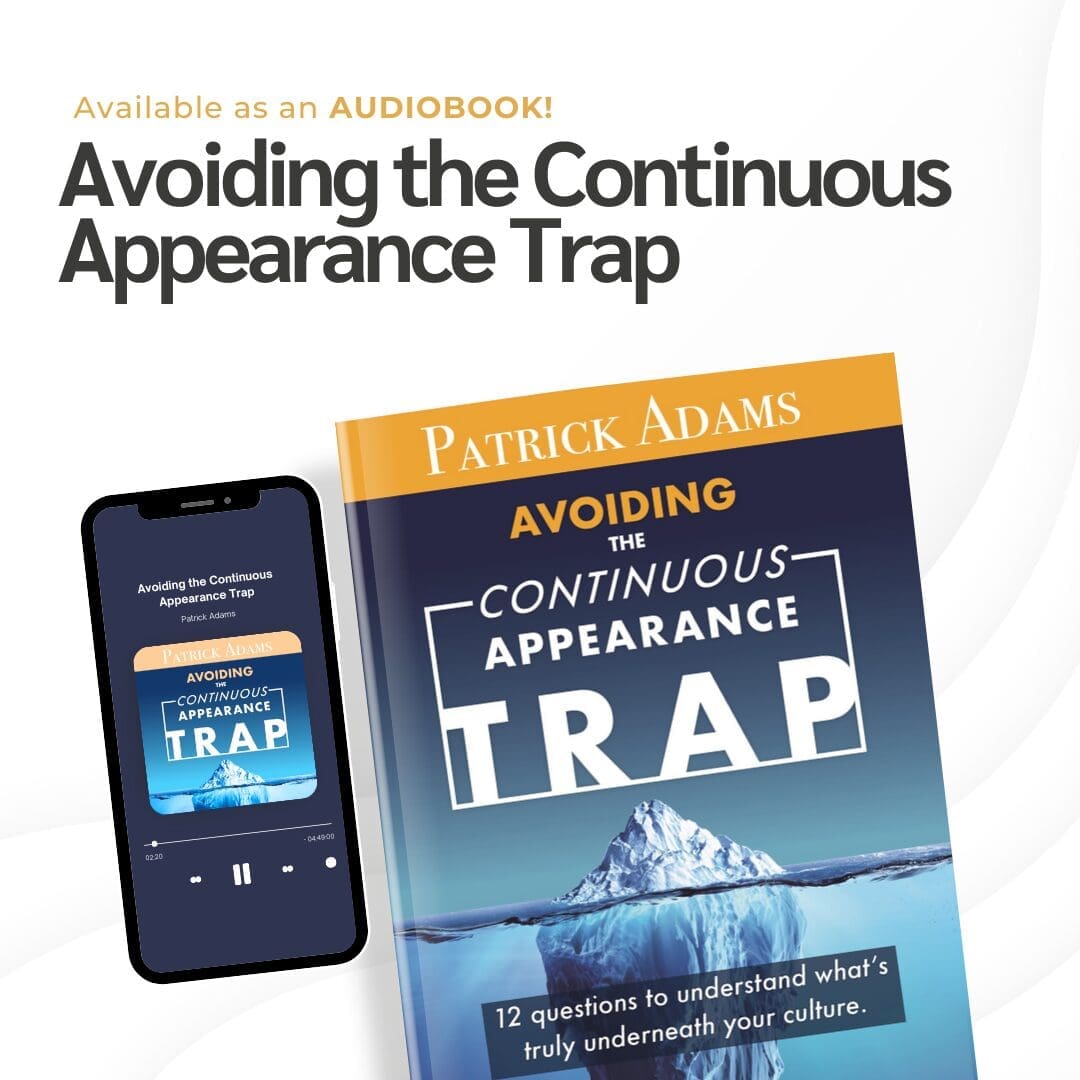
As I say in my book: Your competition and the rest of the world is moving forward very quickly. So standing still, essentially, is the same as moving backwards.
Like continuous improvement, innovation is never a single event. We tend to think of innovation as coming from a single brilliant idea from one single person. But, the truth is that it is a long process involving discovery, learning, failure, and ultimately, success. And very rarely, does it happen with one person. It take a whole team!
Begin by asking the right questions! John Shook was the first American employee at Toyota’s world headquarters starting in 1983 and helped Toyota transfer production, engineering, and management systems from Japan to NUMMI and other operations around the world. John said, “Lean Management is very much about asking questions and trying things or encouraging others to try things. Lean management itself is not much about providing the right answers but it is very much about asking the right questions.”
By asking the right questions, this will become more of an evolutionary process of learning rather than an implementation process of correcting. This is the beginning of scientific thinking for your organization.
Ask: (1) Who is your target customer (internal or external)? (2) What is important to the customer? (3) What problems are not being solved with current solutions? or…What problems do we have with our current solutions? (4) Who are your influences? (5) Can we test/experiment fairly quickly, economically, and effectively using current resources (creativity over capital)? Once you’ve asked some of these framing questions, you can start defining a sensible way to approach the problem.
Every day, people all over the world are coming up with better ideas, improved processes, enhanced services, and value-added ways to satisfy their customers. People are looking at problems differently. Technology has enabled us to advance at speeds we could only imagine years ago. I can travel for miles using just my steering wheel, thanks to the cruise control in my current vehicle. It keeps me at a predetermined distance from the car ahead of me, no matter how much that vehicle slows down.
That is, if I chose to take the wheel at all!