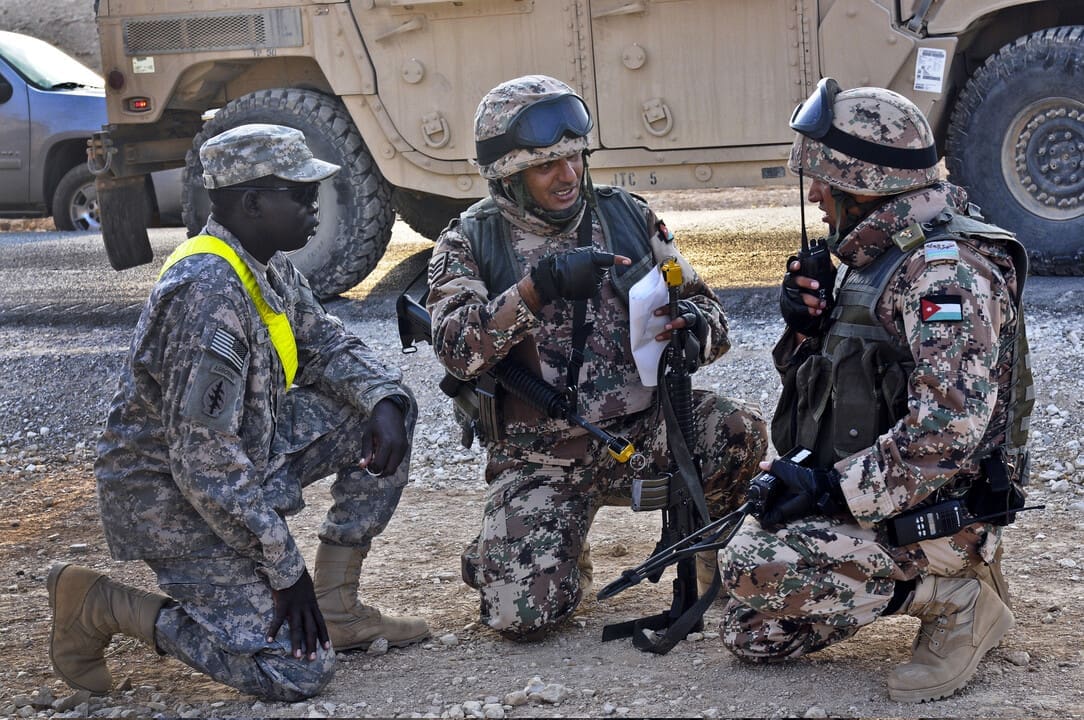
While serving in the military, I was both trained and executed military planning and decision making. And here is the most important takeaway….
Have you ever heard the phrase: “No battle plan survives first contact with the enemy”?
Military officers make decisions about and plan for future operations while they carry out current operations. During the planning phase, military leaders are looking for options and developing alternatives. When there is a change in the information on which a plan is based, corresponding changes must be made to the plan.
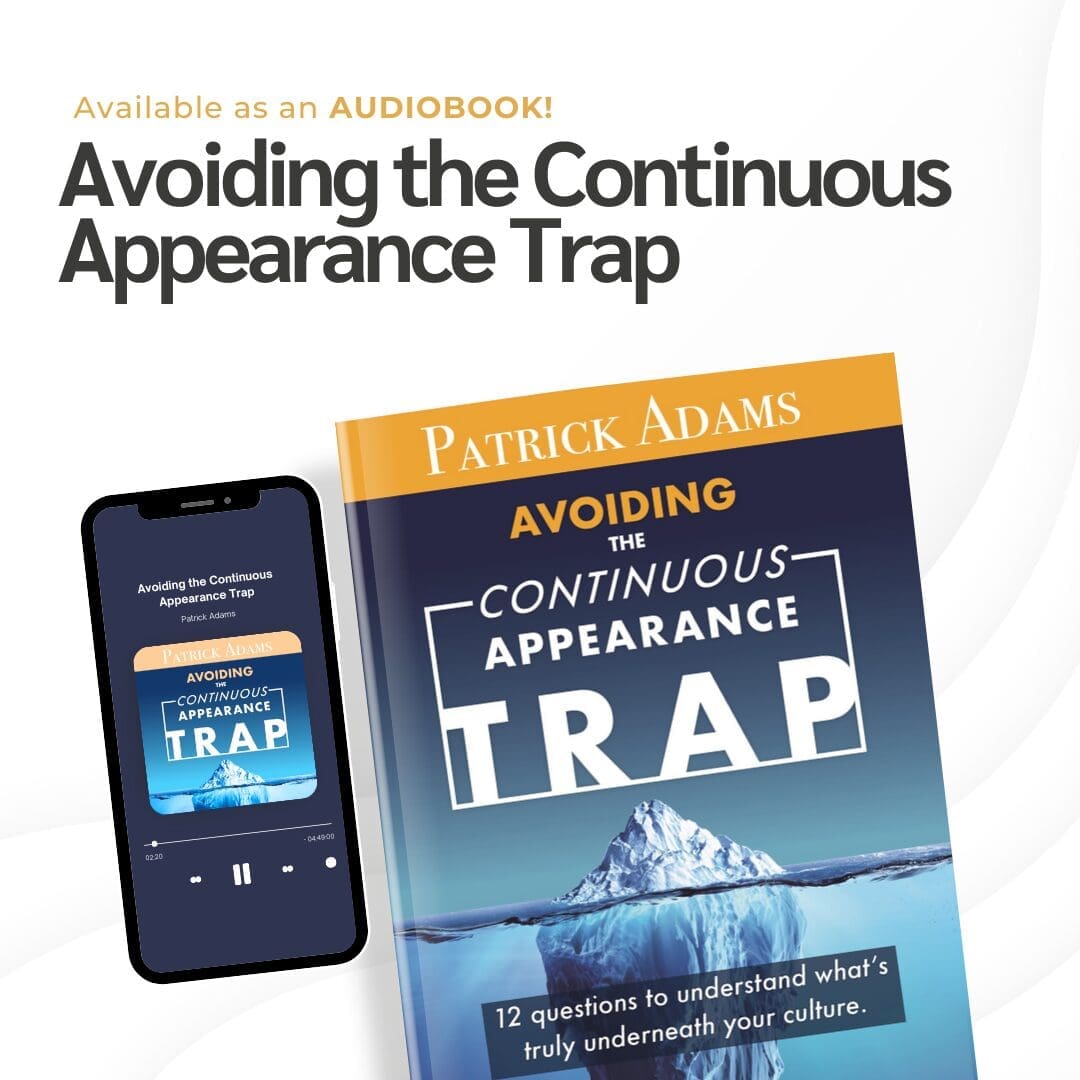
Here is one of my favorite stories from my book, “Avoiding the Continuous Appearance Trap
During the Battle of la Drang on November 14, 1965, Lieutenant General(Ret.) Hal Moore thought he had the best tactical plan to beat his adversary. He studied the data and communicated clear goals to his team. They trained extensively to assure they had the proper skills to meet the goals. But when they arrived at the battlefield, they were overrun by more soldiers than Moore anticipated. As the sun went down on his men that night, Moore was distraught by the many casualties. But he did not blame himself or his men. Rather, he spent the evening thanking each of his men for the hard work they put in. While they mourned their lost soldiers, they celebrated the small accomplishments they achieved together that day. Moore reassessed the situation with his leadership team and top generals back in the States, and they adjusted their tactical plan––resulting in a victory over their adversary.
Within our organizations, we never would have expected things to look like they do now. We could not have planned for Covid-19 or the supply chain challenges to follow. So much today is not what we thought it would be when we established our long-term plans. So what do we do?
Now more than ever leaders all over the world are facing variation and complication dealing with the Covid-19 pandemic. Job descriptions have changed dramatically with duties either dwindling and disappearing, or increasing to include many other tasks and responsibilities. As the pandemic challenges begin shrinking and people return to on-site work, there will be new standards for more of the workforce.
Flexibility will be a requirement. Because change is continual and unavoidable, we all must be flexible to achieve our goals. But what does that flexibility look like?
We must look at change as a positive event. Last year has shown us we must be able to revise plans as necessary, adjust to the new requirements, and modify our leadership style just to ease some of the stress so many people feel in these uncertain times. If, as leaders, we don’t adjust our leadership approach we severely limit our associate’s ability to do the same when navigating their responsibilities. Employee’s will have a hard time remaining enthusiastic and cooperative, while morale, and creativity plummet. This will make it all the more challenging to run the business or organization. Looking at change as a positive is one thing, but to really be effective we must plan for and anticipate the inevitable change that’s coming our way.
If we are serious about planning for change we need to understand the different types of flexibility. Let’s talk about cognitive flexibility. We need to think differently when we make decisions and manage our day to day activities. Cognitive flexibility indicates agile, differing, and sometimes decisions contrary to what we have thought in the past. Ask yourself, “What have I learned from an old approach in the past?” Another type of flexibility embraces our emotions. Emotional flexibility has never been more important than it has been with the pandemic. Leaders with emotional flexibility vary their approach as needed to deal with various emotions in the workforce. This is an area that many leaders often fail to consider. This includes depression, complaining, resistance, and the uncertainty of our future. An emotionally flexible leader is comfortable with the process of change and lets that positivity shine through. That positivity leads us into another type of flexibility: Dispositional flexibility. Leaders who display dispositional flexibility are inherently optimistic while remaining realistic. These leaders acknowledge a bad situation but are not blinded by hopelessness. They see change as a positive, instead of a threat. If you find yourself needing a little flexibility, practice some of these behaviors. Your company can emerge from the current challenges and changes we face healthier than ever!