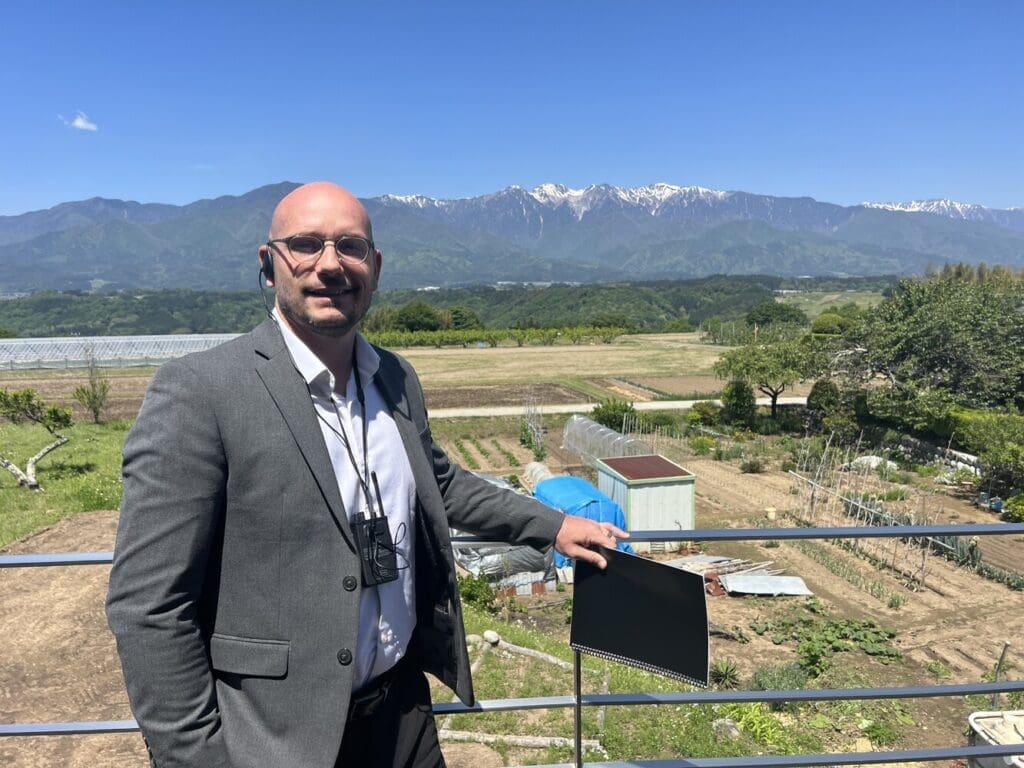
My favorite scenic part of the trip was our bus ride from Nagoya through the Central Alps (mountains) to Nagano, and then to Takasaki. The Japanese Alps have been used as a place of ascetic practice for Buddhists monks since ancient times. These towering ranges include several peaks exceeding 3,000 m (9,843 ft) in height, the tallest after Mount Fuji.
Day 5:
Our first stop in the Central Alps, was Yonezawa Sake Brewery. The brewery is located in the middle of Nagano and skirted by the Tenryu River. Ina Foods purchased and invested in the brewery in 2014 to help revitalize the local rice farming and sake brewing community. Since that time, Yonezawa has produced international award-winning sake.
Besides the great tasting sake, here were a few of my favorite take-aways:
- Like their parent company (which I will talk about next), they believe in slow, continuous growth.
- Their business purpose is not just to make money, their purpose is to take care of the surrounding community.
- They believe in continuous improvement of sake brewing methods to make the most delicious sake.
After buying some sake for my team back home, we left the brewery in route for their parent company Ina Foods. The management philosophy at Ina Foods is Happiness and long-term view – “Let’s create a good company strongly and gentle”, “Happiness is our purpose.”
Prior to arriving in Japan, we were asked to read a book written by the company Chairman Mr. Hiroshi Tsukakoshi: “Tree Ring Management: Take the Long View and Grow Your Company Slowly.” Mr. Tsukakoshi’s son met us at the door and gave us an amazing presentation and tour. He talked about the Tree Ring Management philosophy; he said, “It doesn’t matter if there is cold weather or bad weather, the tree grows year after year. We want to be like the tree with slow growth over time, good times and bad times.” He showed us the 100 Year Calendar written about by his father; he said “we show this calendar to every new hire. We tell them that somewhere on this calendar is your death day. Let’s not waste one day. Lets make every day significant.” Wow. So profound and such a great visual! He went on to talk about the transparent relationship between management and the employees and he referred to the employees as “his family.” This became a theme as we visited more companies. In fact, I asked the leader at one company how often he goes to the gemba. He answered with a question: “how often do you go to see your children?”
While touring, we had the chance to talk with one of the employees at Ina Foods and she told us about her easy access to her “boss.” She said everyone is on the same level (which is not normal in Japanese culture). “They call me by name and I call them by name. Not by title. The title is removed.” She went on to tell us that everyone working at the company feels like the company is their home.
Employees and team leaders at Ina Foods are responsible for 100 implemented ideas per month; but these aren’t forced. The employees love to implement ideas because it makes their jobs better. As a team, they are invested in the mission to make a “good company.” In fact, the management team put a challenge out to the employees a few years ago: “Use your minds to come up with a way to help display a good image to the community.” Knowing the employee parking lot was public facing, the employees (not management) decided to begin parking in line so the parking lot displayed the same organized image the employees saw inside the plant.
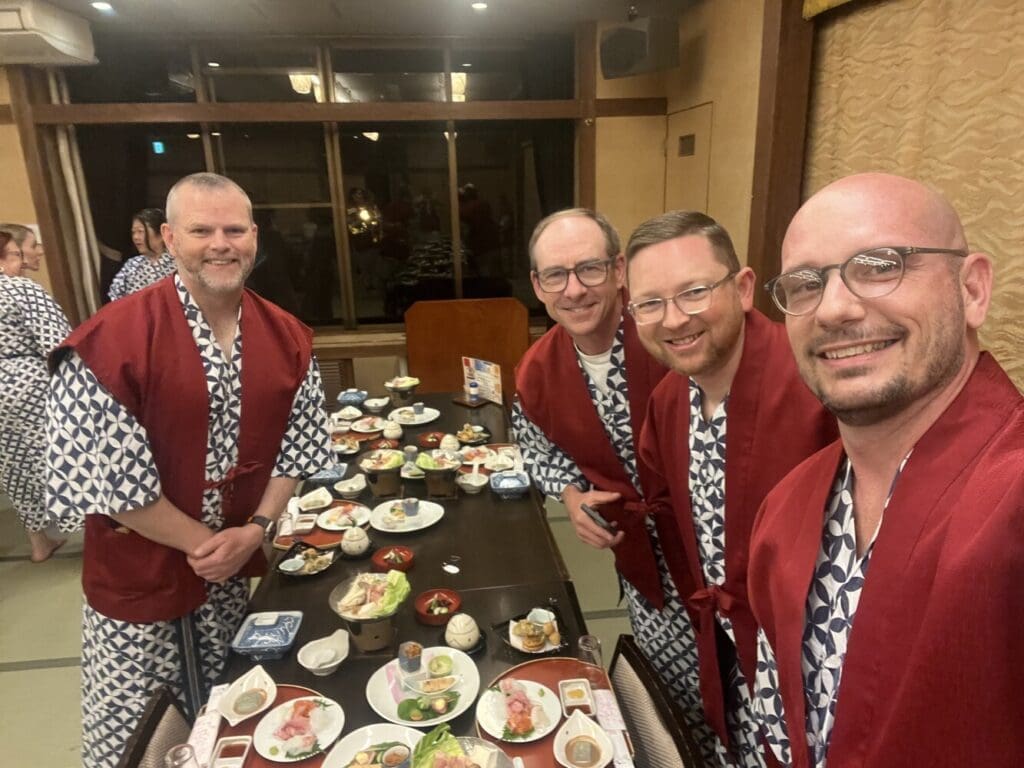
The evening was called an end at a traditional Japanese Ryokan and Onsen. We had a ton of fun over dinner as we participated in the tradition of wearing Japanese robes (yukata).
Day 6:
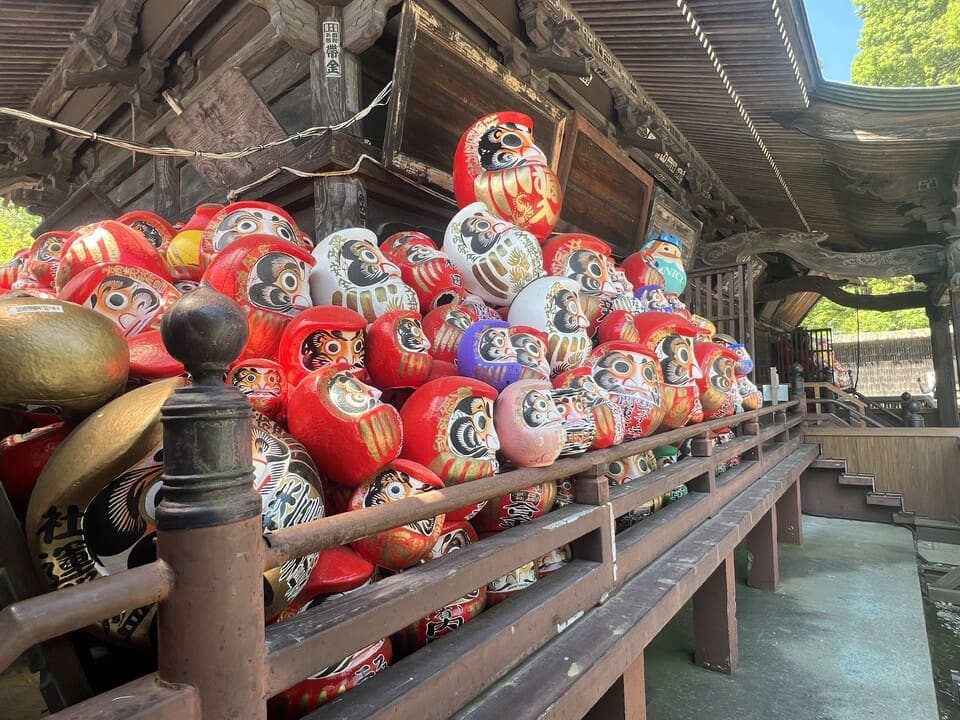
Day 6 was full of many great adventures! We started at the Shorinzan Daruma-Ji Temple before arriving at the famous city of Ashikaga. Famous because the Ashikaga city authorities, companies, and schools, support Japanese management principles and 5S activities. The chamber of Commerce even started a 5S school in 2006 with the purpose of helping organizations learn how they could “revitalize” their companies and people. Now, over 200 organizations are actively practicing 5S in the town!
We had lunch with a presentation from Dr. Satoru Komatsumoto. When he joined the Ashikaga Red Cross Hospital, they were experiencing challenges and many people had a terrible impression of the hospital. He decided to make it a world-recognized hospital and it is now the number one Red Cross Hospital in Japan! He did this by teaching employees about the importance of customer interactions and gave front-customer-facing staff the authority to give tailor-made high quality service to their customers. He changed the focus from output and outcomes to a focus on the inputs. He told his leadership team that some added value can be measured in terms of money, and some cannot….and that which cannot, is more important.
After lunch we travelled to Ogura Kinzoku and experienced the ‘Ogura Production System’. Between the Executive VP, Noriko Ogura and her son, they presented Ogura as a learning organization. They start each day just like every other company, school, and organization in Japan, with an exercise that is embedded in their memories from the age of 7 years old. They reviewed their Hoshin in detail showing us how every employees work was connected to the goals and long-term strategy of the organization. They called the company a “5S Theme Park” and our tour showed just that! Every area was named to follow the park theme. Check out some of these great pictures:
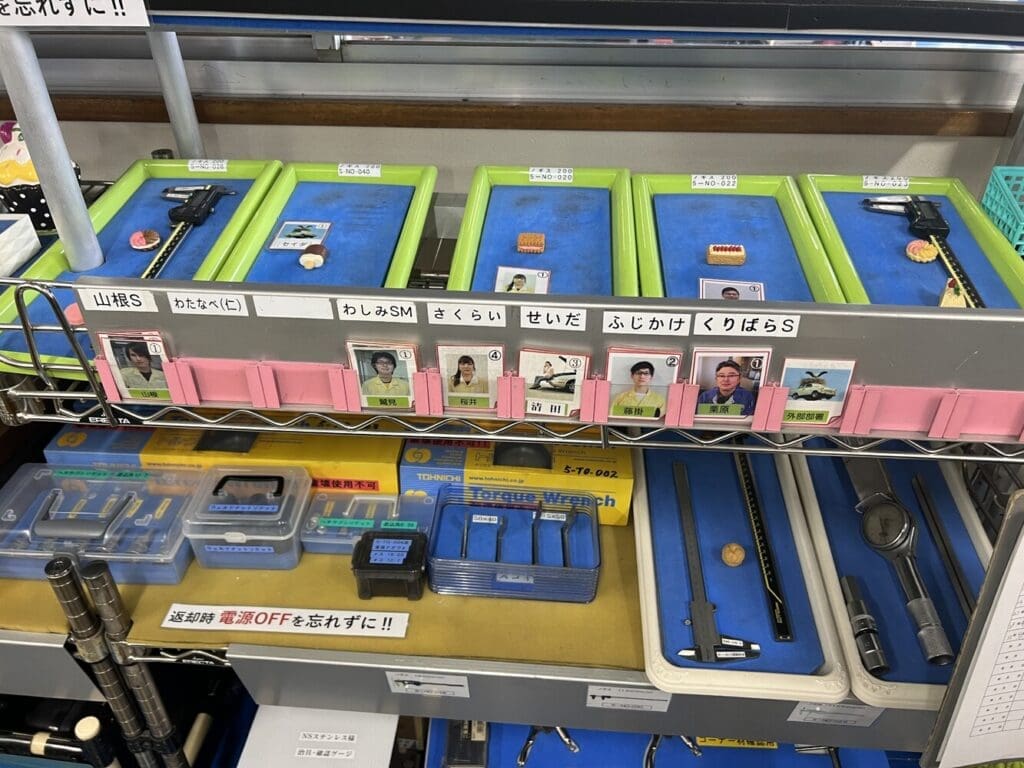
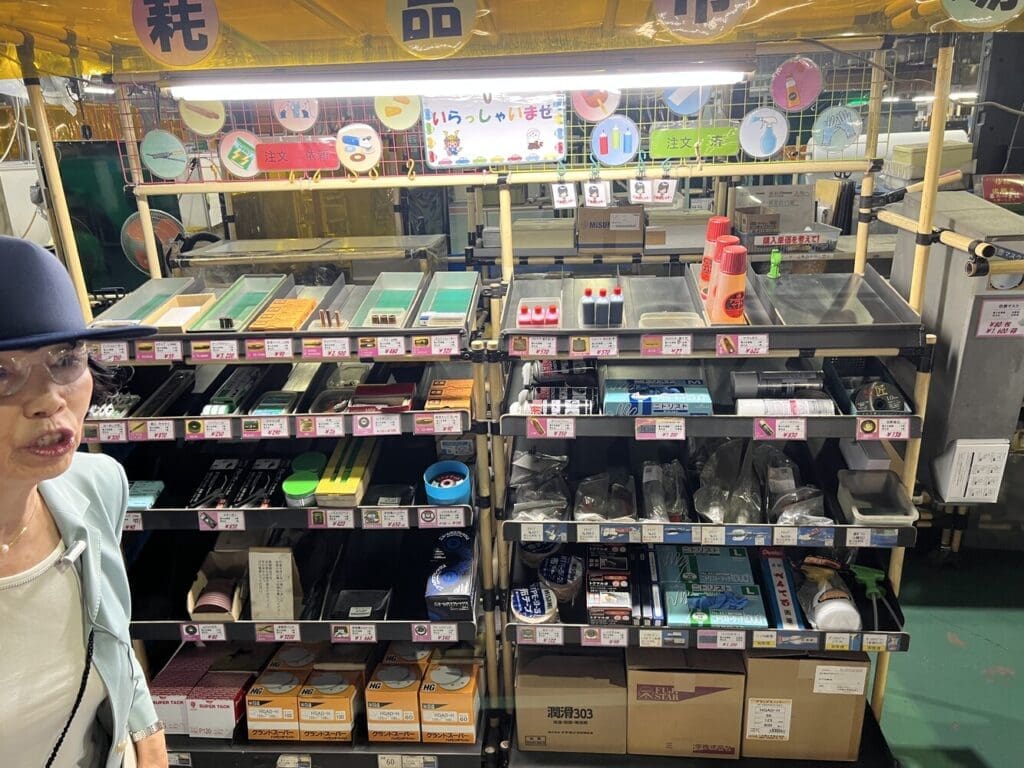
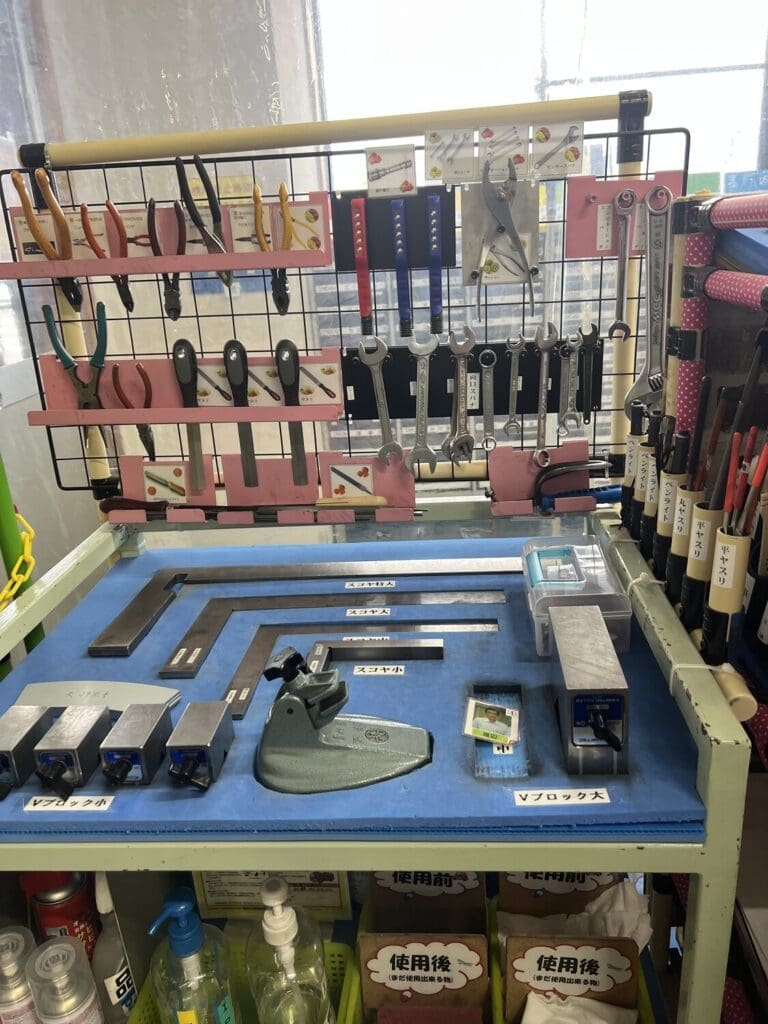
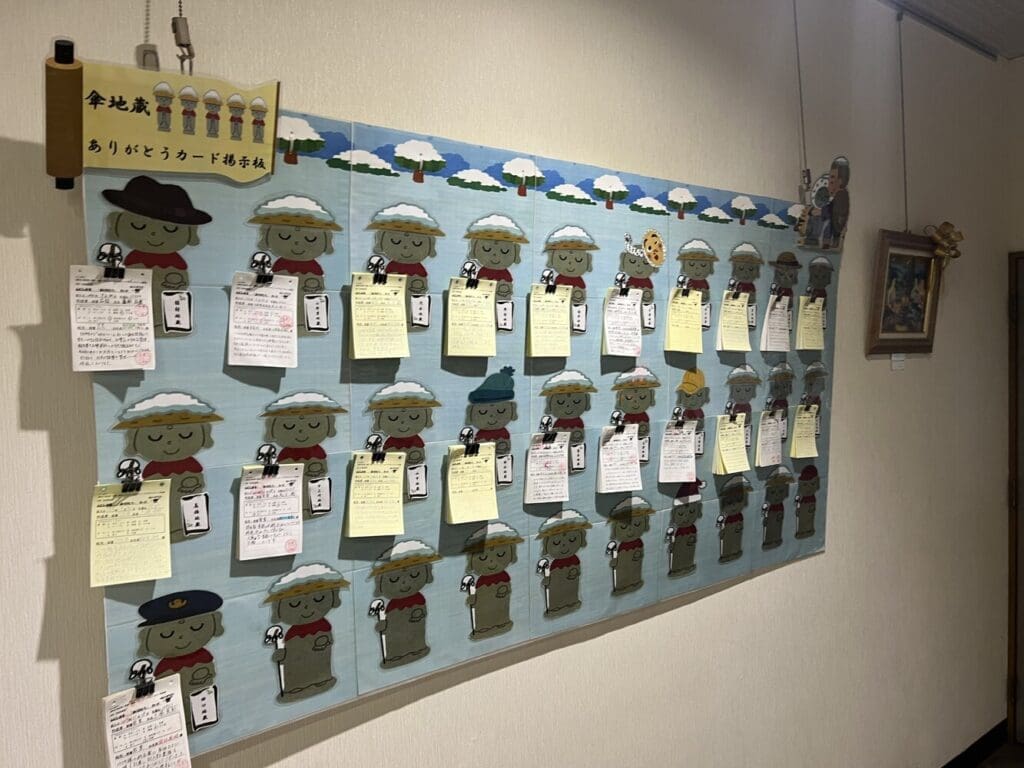
Team members are encouraged to write thank you notes to their colleagues. Each team was challenged to create their own boards to display the thank you notes. Following the theme of a “theme park”, one of my favorite designs looked like a Ferris wheel and the person with the most thank you notes would rotate to the bottom based on the weight of the notes and become highlighted. Genius!
Day 7:
Our final program day was spent in Tokyo with Mr. Yoshino. Katie Anderson did an amazing job facilitating final discussions and reflections both as a collective group as well as in small groups.
Just when I didn’t think it could get any better; we were able to meet with Mr. Teruo Yabe who took over business planning at Tessei (The Shinkansen cleaning company) his leadership is attributed to a “turn-around” in the Tessei culture.
Check out this post for more details on our visit to the Shinkansen train:
Final Thoughts:
Here are my thoughts after touring many organizations and talking with both leaders and front-line employees here in Japan…generally speaking, the beliefs and values of the people lead to specific behaviors and actions. These are the inputs to any culture (output). I didn’t see anything here in Japan that is impossible for organizations other places in the world, if the inputs are correct. Many aspects of Japanese culture (ie. genuine care, servant hearts, kaizen mindset, hard-working, etc.) become an enabler to the success of the TPS and many others here. The correct inputs (beliefs, values ~> actions, behaviors) come natural to most people in Japan because this is how they were raised and the environment is right.
Can other companies have the same success? Absolutely.
Change the inputs and the environment. This will change the output. Otherwise, it’s just insanity for these companies. Doing the same thing (behaviors/actions) over and over, but expecting different results (culture).
I hope you all understand it is completely impossible to summarize all my learnings in these few short articles; the only way to truly experience the Japanese culture and origins of the Toyota Production System is to do it yourself. I strongly suggest reaching out to Katie Anderson and join her next hashtag#japanstudytrip.
~Mata Ne (またね)