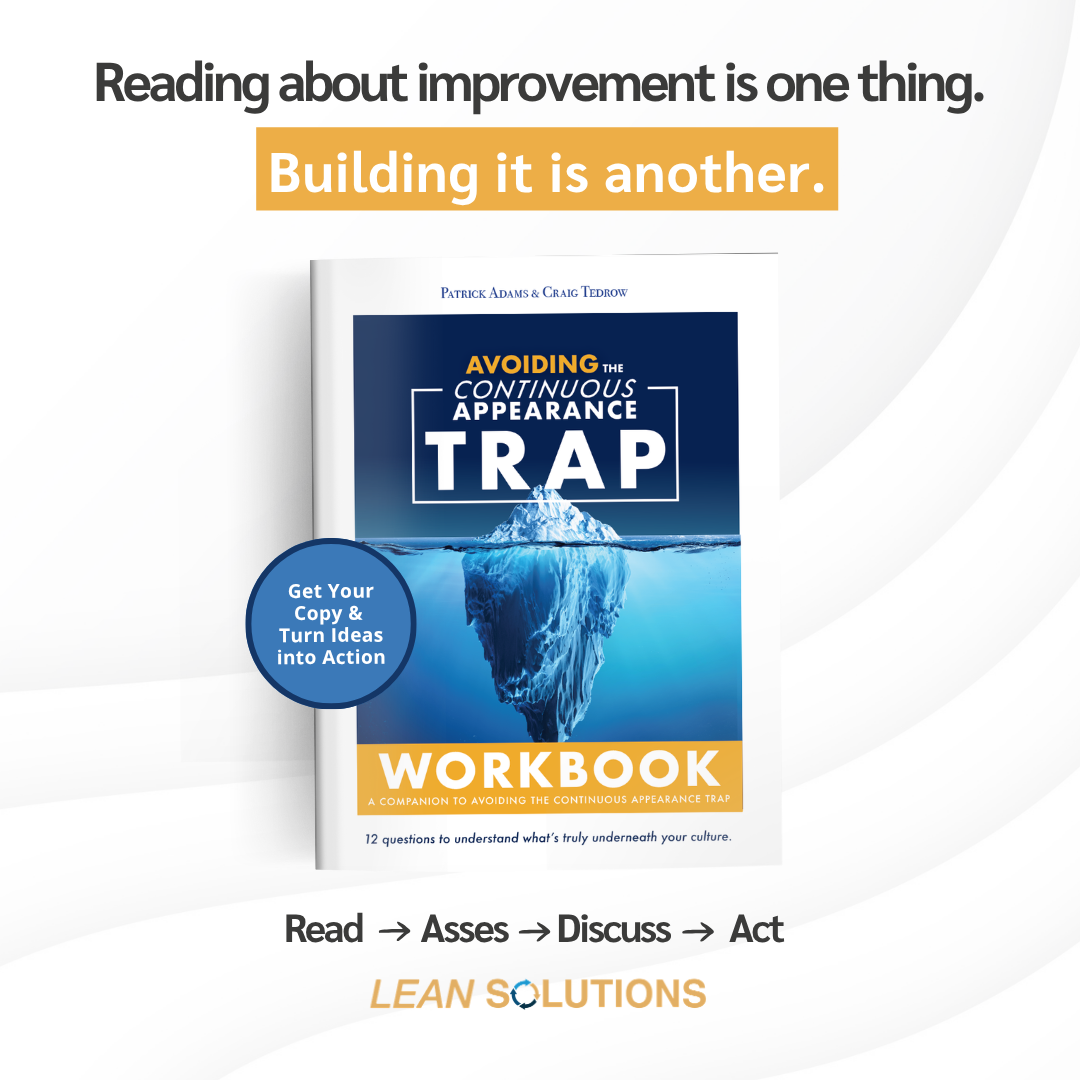
When we talk about “waste” in a Lean context, most people think about excess inventory, waiting time, or overproduction—things you can see, measure, and fix. But some of the most damaging forms of waste don’t show up on a spreadsheet. They live in your workplace culture.
That’s right. Culture—how your people think, feel, and behave every day—can either be a powerful driver of improvement or a silent drain on performance.
If you’re new to Lean or continuous improvement, here’s the big idea: waste is anything that doesn’t add value to the customer. And when it comes to workplace culture, there’s often a lot of hidden waste flying under the radar.
Let’s talk about what that looks like—and how to start eliminating it.
What Does Cultural Waste Look Like?
Cultural waste isn’t about broken machines or clunky systems. It’s about the unspoken norms, habits, and mindsets that slow teams down and hold people back. You might not see it at first glance, but you’ll feel it in the way your organization operates.
Here are a few examples:
• Fear of Speaking Up
When people stay quiet about problems because they’re afraid of blame or backlash, that’s waste. It delays improvement, erodes trust, and creates a workplace where problems go unresolved.
• Meetings Without Purpose
If your calendar is packed with recurring meetings that don’t drive outcomes, that’s time waste. It drains energy and pulls people away from value-added work.
• Siloed Thinking
When departments hoard information or compete instead of collaborate, that’s a form of overprocessing. It slows decisions, causes rework, and kills cross-functional improvement.
• Lack of Recognition
When good ideas go unacknowledged, people disengage. That’s a missed opportunity to reinforce improvement behaviors—and it leads to burnout and turnover.
All of this adds up. And while these cultural issues might not be as easy to spot as a pile of scrap on the shop floor, they cost organizations dearly in lost productivity, low morale, and stalled progress.
Why This Matters More Than Ever
In today’s fast-paced, people-driven world, you can’t separate culture from performance. The two are directly connected. A culture filled with hidden waste will sabotage even the best Lean strategies. On the flip side, a culture built on trust, transparency, and continuous improvement can unlock innovation and resilience at every level.
Eliminating cultural waste starts with a mindset shift: recognizing that how people work together is just as important as what they do.
How to Start Eliminating Cultural Waste
Here’s the good news—just like process waste, cultural waste can be identified, addressed, and reduced. It’s not easy, and it won’t happen overnight, but it is possible. The key is intentional leadership and daily practice.
Let’s start with three key steps.
1. Listen Like a Leader
Ask questions. Walk the floor. Create safe spaces for feedback. Gemba walks aren’t just for production—they’re for people. The more you listen, the more you’ll uncover hidden blockers that are getting in the way of improvement.
2. Build Psychological Safety
If your team doesn’t feel safe to challenge the status quo, you’ll never surface the insights needed for real change. Recognize vulnerability. Celebrate experiments. Normalize learning from mistakes. Culture shifts one conversation at a time.
3. Align Values with Behaviors
Culture is more than a poster on the wall. Make sure your leadership behaviors, rewards systems, and communication all reinforce the values you say matter—especially around improvement, respect, and collaboration.
Expert Tip: Start With One Cultural Waste Audit
You don’t need a big initiative to begin. This week, pick one team or meeting and observe it through a new lens. Ask:
- Are we solving problems or dancing around them?
- Are people engaged or just complying?
- Is time being used wisely, or wasted?
Write down what you see—and more importantly, how people feel. Then take one small step to improve it. That’s how change starts.
Workplace culture isn’t a side dish—it’s the system that shapes everything else. If you want to drive lasting improvement, you have to look beyond the visible waste and tackle what’s beneath the surface.
Because when we eliminate the waste in our culture, we unlock something powerful: a team that’s not just more efficient—but more engaged, more innovative, and more human.
Let’s stop tolerating the invisible drag of cultural waste—and start leading with intention.